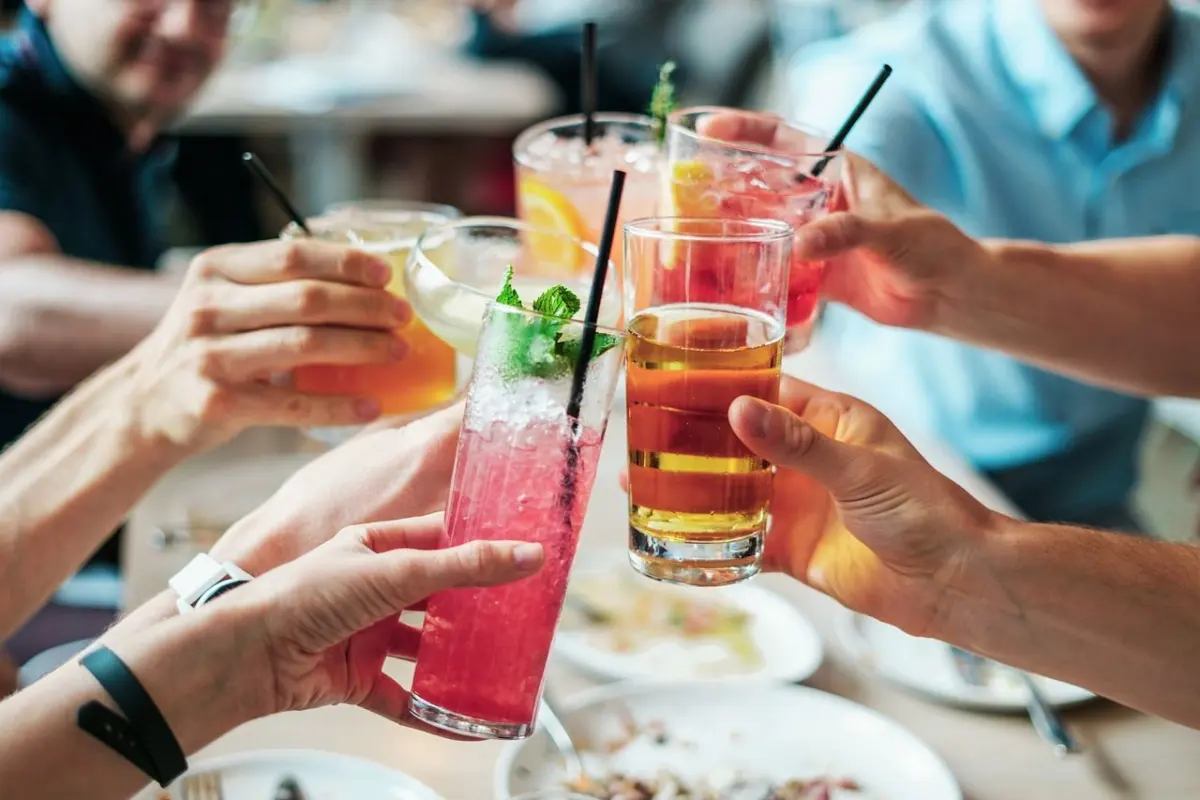
You want cocktail party ideas that make hosting feel easy, not frantic. Start with one signature drink, plan roughly one drink per guest per hour, and keep a non-alcoholic option ready.
| Item | Value |
|---|---|
| Pace per guest | One drink per person per hour |
| Drinks for 12 guests over four hours | 48 drinks |
| Mixed-crowd split | 40% beers and cider, 30% spirits, 30% wines |
| Vodka for 40 guests over five hours | 4 bottles |
| Red wine for 40 guests over five hours | 15 to 18 bottles |
These figures come from Food Republic, published April 5, 2025, and from The Globe and Mail, which first ran its piece in December 2008. Rules of thumb like these can change and may not fit your crowd, so check the source before you rely on them.
Cocktail party ideas: pick a style and a guest list
A good cocktail party starts with a decision about what kind of evening you want. The hosting tips from TableTopics sort the options into a few styles, and each one tells you what to buy and how to dress the room.
- Classic: choose an impressive signature cocktail for the evening and build the menu around it.
- Casual get-together: a signature cocktail, wine, beer and some easy-to-prepare finger foods.
- Themed: guests dress for the occasion, and the drinks and food match the theme.
- Of an era: pick an iconic time in history and serve the cocktails it was known for.
If you are unsure, the casual style is the forgiving choice. It lets you serve one special drink without turning you into a full-time bartender, and everyone else can reach for wine or beer.
Next comes the guest list. The same source says an ideal cocktail party size is about 15 guests, which gives people the chance to mingle with several others. It also notes that mixing familiar faces with new ones keeps the conversation lively.
Give people time to say yes. TableTopics suggests at least a month’s notice, and points out that guests with children have calendars that book up especially quickly. If you want to keep things relaxed, texting your friends the date and time is enough, and a simple email with the details also works.
While you are inviting, ask what people like to drink. A drinks-company director quoted by Food Republic says it plainly: don’t be afraid to just ask what people like to drink when inviting them. A one-line question in the invitation saves you from guessing later.
How much should you buy for your party?
The usual starting point is simple: plan on one drink per person per hour. That is the general rule in The Globe and Mail, which adds that if it seems too little, most people drink less as the night goes on.
The rule holds up for good reasons. In the Food Republic interview, the drinks-company director follows it because not everybody drinks all night, some guests will likely be driving, and some will bring their own bottles.
A worked example
Say you invite 12 people and the party lasts four hours. According to Food Republic, you need the equivalent of 48 drinks, and you can always round up. Count yourself when you add up the guests, a reminder that LoveToKnow makes in its own guide.
If your friends tend to drink more, use a bigger buffer. LoveToKnow, in a guide published December 5, 2022, expects each guest to have two to three drinks for every two hours. For a four-hour party with around ten guests, it puts the total at approximately 40 drinks, or up to 60 drinks.
Context shifts the number up or down. The same guide says a brunch party won’t require as many cocktails as a dinner party, and a family gathering needs less alcohol than an adults-only one. A longer party, a crowd of big drinkers or a true cocktail party all push the total higher.
Split it across beer, wine and spirits
For a mixed crowd you do not know well, the Food Republic source typically goes with around 40% beers and cider, 30% spirits and 30% wines. That split is a guide, not a law. A group of craft beer fans needs more beer, and a wine-loving group needs more bottles.
If you are serving only wine and beer, LoveToKnow expects a 75% and 25% split between them. Whatever you pick, the shares should add up to 100%. Do not forget some soft drink options, like lemonade, for guests who don’t drink but still like to socialize.
Turn drinks into bottles
Once you know the total number of drinks, divide by the servings in each bottle. These are the figures from LoveToKnow:
- A traditional 750mL bottle of wine yields 5 servings of 5 ounces each.
- A traditional bottle of Champagne or prosecco contains approximately 6 servings, and a half-glass toast stretches it further.
- A 750mL bottle of liquor has approximately 17 servings at 1½ ounces, or 13 servings if the pour is heavy at 2 ounces.
- Beer is usually a serving size of 12 ounces, though that can change with the alcohol by volume.
- Mixers: approximately one quart or liter for every three guests.
A caterer’s list for a larger party
For a sense of scale, The Globe and Mail shared the basic shopping list of a Toronto caterer for a five-hour cocktail party with 40 guests. For 20 guests, it says to go with a little more than half the amounts. The piece was originally published in December 2008 and republished November 7, 2012, so treat it as a starting point rather than a rule.
- Vodka: 4 bottles
- Gin: 2 bottles
- Rum, rye and dry vermouth: 1 bottle each
- Red wine: 15 to 18 bottles, and the same again of white wine
- Beer: 2 dozen
- Cola and diet cola: 12 bottles
- Soda water and tonic water: 6 bottles each
- Fruit juices: 4 quarts
That list leans heavily on wine, which is a good reminder that the sources disagree and your guests matter more than any formula. The Globe adds that a beer-loving crowd calls for an extra case. Knowing your people beats memorizing a chart.
Stock the bar, the ice and the glasses
A well-organized bar means you spend the party with your guests. If you are starting from an empty shelf, the guide on how to stock a home bar walks through the basics, and the notes below cover what a single party needs.
Begin with mixers. When you are not serving pre-planned drinks, TableTopics says the best mixers to have on hand are grapefruit juice, orange juice and tonic water. Add garnishes to match the drinks you plan to serve:
- Lemons and limes
- Olives and cocktail cherries
- Cinnamon sticks, sugar and salt
- Fresh herbs, like mint, rosemary and lavender
Do not underestimate ice. TableTopics says you should keep at least three bags on hand. Have one bag ready in an ice bucket near the drinks area, and one or two ready to go in the nearest freezer.
Glasses come next. If your party is casual, simple compostable plastic cups or reusable plastic martini glasses will do, while an elegant party might call for glass tumblers, martini glasses or vintage cocktail glasses that you can often find at second-hand shops. To help guests keep track of their glasses, TableTopics suggests glass markers, and the festive options include:
- Glass-safe markers like liquid chalk markers
- Static cling drink markers
- Beverage bands
- Reusable charm tags
- Hanging markers
Finally, gather your tools. The basics are cocktail strainers, muddlers, shakers, spoons, jigger measures and garnishing tools. If you do not want to buy them all, see if you can borrow them from a friend.
Signature drinks and crowd-pleasers
The easiest way to look generous without working all night is a signature drink. The Globe and Mail quotes a caterer who is a big believer in a special cocktail offered to guests at the beginning of the evening. She points out that most people have one or two cocktails and then go on to wine, so the opening drink sets the tone.
Make it something you can pour in volume. The same caterer says to pour the mix into a pitcher and go, so you do not have to make a martini for each person. The guide to batch cocktails for a party shows how to scale a recipe up so that the drink is ready before the doorbell rings.
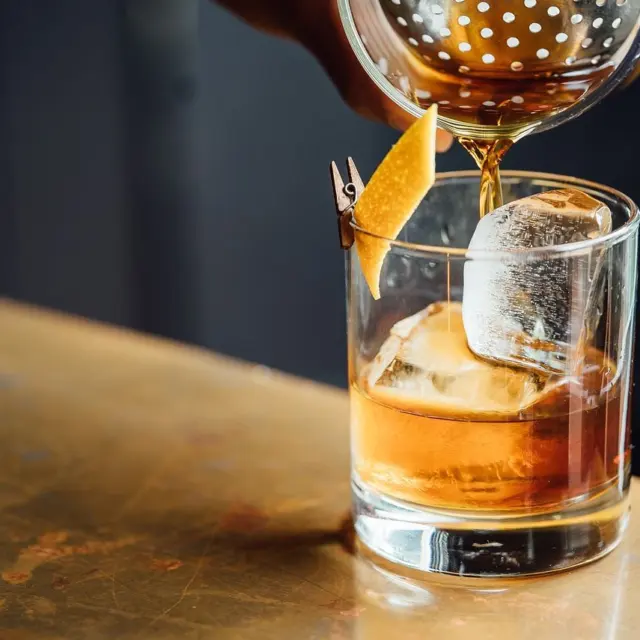
Some drinks are simply reliable. A classic margarita recipe suits a warm evening and a casual crowd, while an old fashioned recipe suits a slower, cozier gathering. For something lighter and easier to sip over a long afternoon, browse the spritz recipes.
Let a theme choose the menu
A theme takes the guesswork out of the drink list. TableTopics offers these pairings of period and cocktails:
- Roaring ’20s: Gin Rickey, Sidecar, Manhattan
- The fifties: Martini, Mint Julep, Tom Collins
- Tropical or tiki: Mai Tai, Zombie, Piña Colada, Lapu Lapu
- Wintry: Hot Toddy, Hot Buttered Rum, Irish Coffee
You do not need to serve all of them. Pick one or two from a single list, and let the rest of the evening follow the same mood in the music, the glassware and the snacks.
A theme also gives your guests something to talk about. Someone will recognize a drink from a favorite film, and someone else will ask how it is made, which is exactly the kind of easy conversation a cocktail party is meant to start. Keep the recipe simple enough that you can explain it in a sentence while you pour.
Whichever drink you choose, test it before the night itself. Mix a small trial batch a few days ahead, taste it, and adjust the sweetness or the sourness until you would happily drink it yourself. A rehearsed recipe is calmer to make in front of a crowd, and you will know exactly how much of each ingredient to set out.
Seasonal drinks work in the same way. The Globe caterer says that at Christmas time something like the Cosmo is festive and sets the mood and the tone of the party. The lesson applies all year: choose a drink that fits the moment, and the rest of the planning gets easier.
Finally, have a backup plan. If the bar starts going dry partway through the night and the shops are closed, the Globe caterer suggests going into your cupboard and mixing up a big punch to stretch out what is left.
Mocktails, snacks and pairings
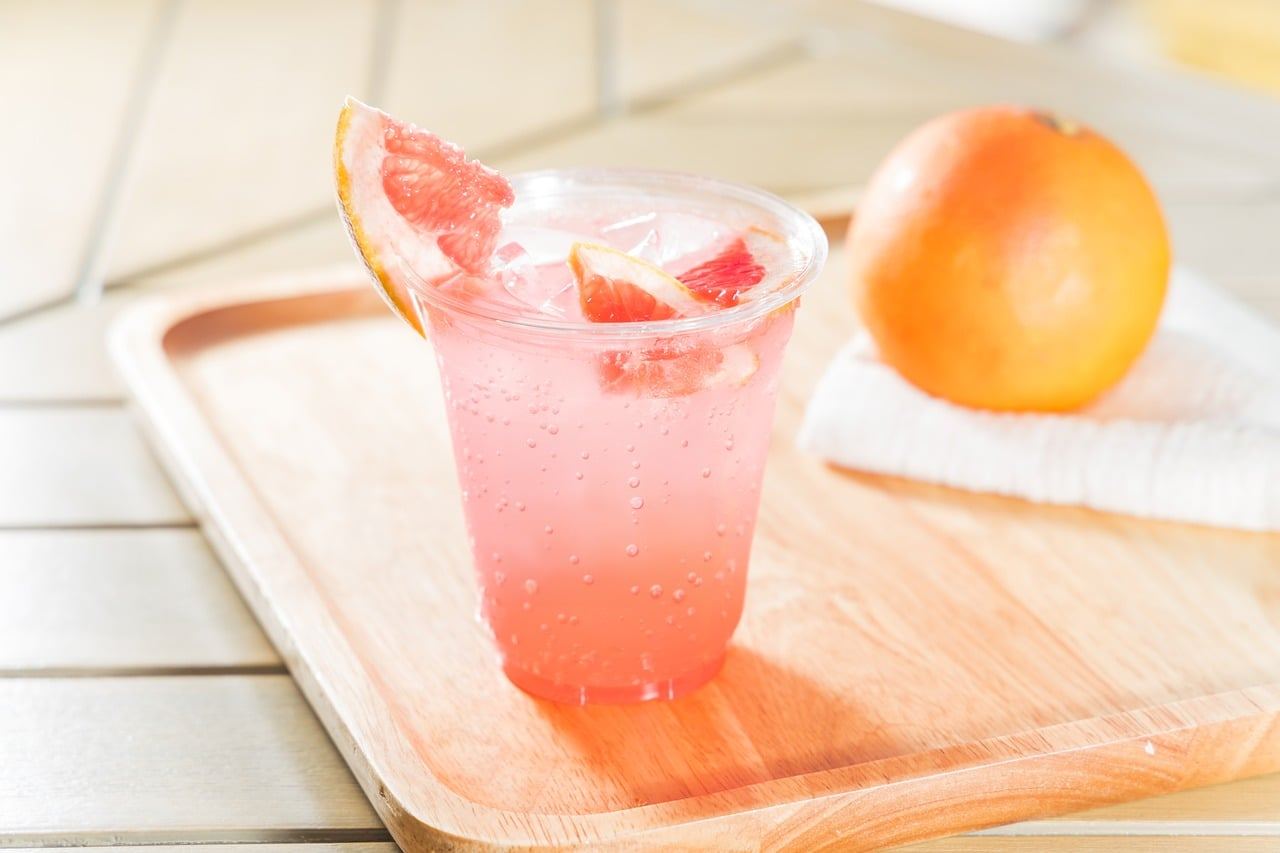
Every good party has something for guests who are not drinking. TableTopics says that if some guests don’t drink, you should get ingredients for a mocktail or a selection of sparkly non-alcoholic drinks. The mocktail recipes give you ideas that look as festive as the cocktails, so nobody feels left out.
Good non-alcoholic options also help your drivers. As noted earlier, some guests will likely be driving, so a tall glass of something interesting is more than a courtesy. Put the mocktail jug next to the signature drink so it feels like part of the main event.
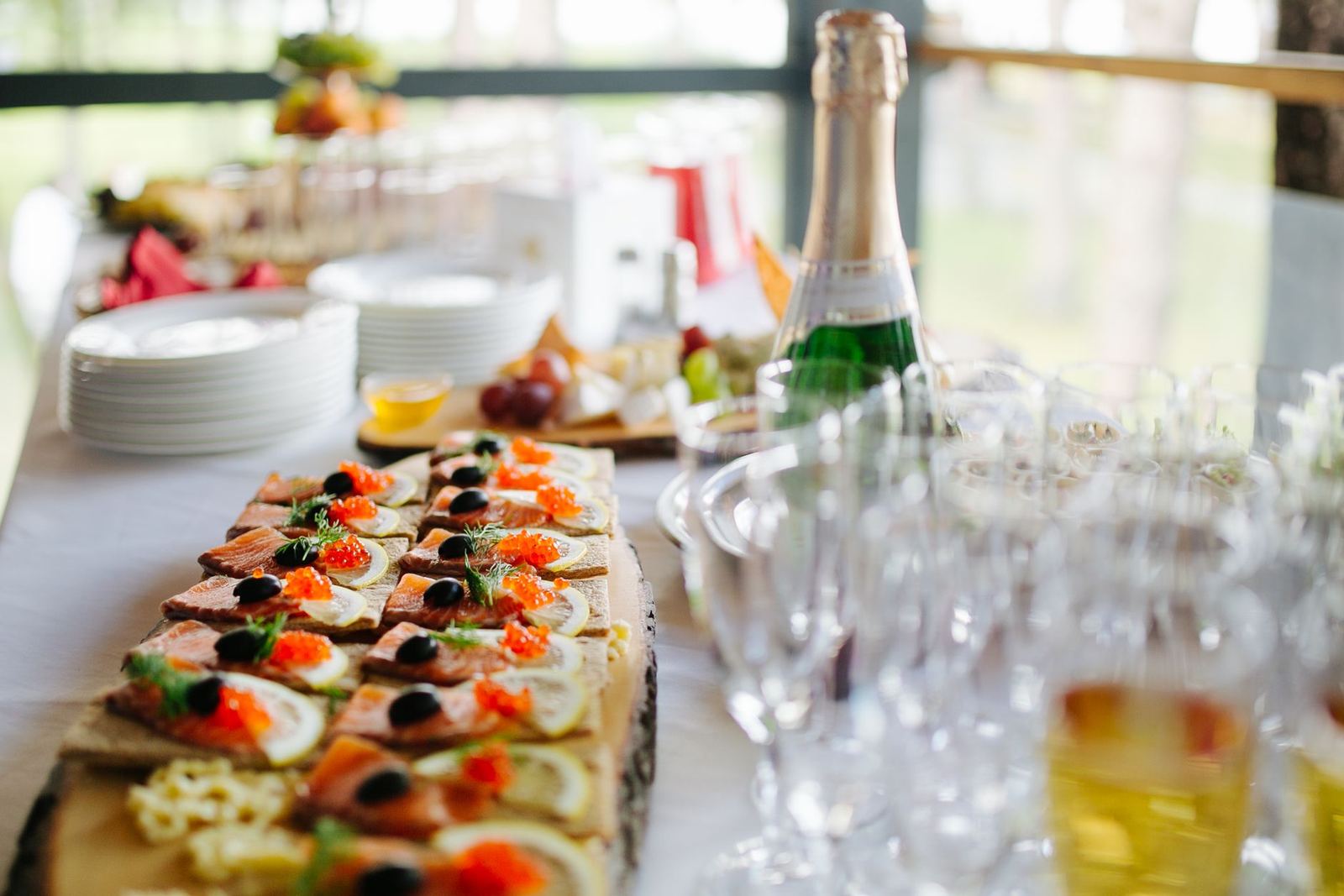
Food keeps the evening steady. Think of finger foods that guests can eat with one hand and a drink in the other. A grazing platter handles this well, and the charcuterie board ideas offer layouts you can build ahead of time.
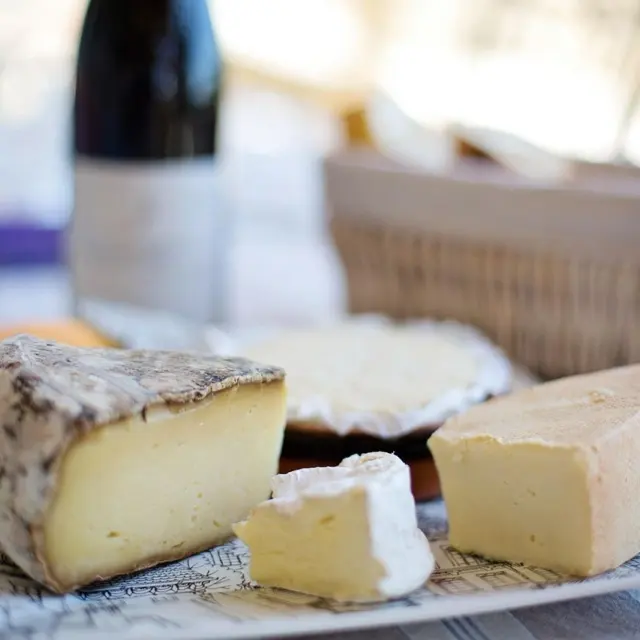
If wine is part of your plan, a simple pairing approach goes a long way. Read the guide to wine and cheese pairing before you shop, so the board and the bottles work together. A few well-chosen combinations are better than a crowded table of everything.
Pace the evening and keep it easy
TableTopics suggests thinking of your cocktail party in two acts, arrival and mingling. In practice that means a drink in every guest’s hand within minutes of walking in, followed by food that keeps the conversation going. If the first act is smooth, the second takes care of itself.
Prepare as much as you can before anyone knocks. Squeeze the juice, cut the garnishes, chill the bottles and set up the ice bucket and glass markers where guests can find them. Set up the bar area so that people can help themselves, which leaves you free to host.
Arrange the room for talking. Leave open space where guests can stand and move, and add a few seats for those who want to rest. Because conversation is the point of the evening, keep the music at a level where people can still hear each other.
When the evening becomes a seated meal instead, the guide on how to host a dinner party covers the next steps. A dinner party needs fewer cocktails than a cocktail party, so you can scale the bar down.
Hosting at home is only one way to enjoy a night of drinks. If you would rather go out, the santa barbara restaurants guide is a place to start, and the santa barbara wine country guide helps if you want wine ideas for your own table.
Afterward, take a moment to reflect on how the night went. Note which drink disappeared first, which snack was left, and whether the bottle counts were right. That short list makes your next party easier to plan.
Frequently asked questions
How many drinks should I plan per guest?
Show answer
The general rule from The Globe and Mail is one drink per person per hour. LoveToKnow suggests two to three drinks for every two hours if your guests drink more. Either way, count yourself in the total.
How many guests make a good cocktail party?
Show answer
TableTopics says an ideal cocktail party size is about 15 guests. That is enough for people to mingle with several others without the room feeling crowded.
How much ice do I need?
Show answer
TableTopics recommends keeping at least three bags on hand. Keep one in an ice bucket near the drinks area and one or two in the nearest freezer.
What should I do if the bar runs low?
Show answer
The Globe and Mail caterer suggests going into your cupboard and mixing up a big punch to stretch what is left. Planning ahead is better, so ask guests about their preferences and buy a little extra of the most popular drink.
Do I need non-alcoholic drinks?
Show answer
Yes. Some guests will not drink at all, and some will be driving. Offer a mocktail or sparkly non-alcoholic drinks, plus soft drinks like lemonade.