Want a classic margarita recipe you can trust? Shake tequila, orange liqueur and fresh lime juice over ice, strain into a salt-rimmed glass, and keep the ratio near 3:2:1. Here is how to get it right, step by step.
Planning a gathering? These cocktail party ideas show where a margarita fits.
| Item | Value |
|---|---|
| Traditional ratio (tequila : triple sec : lime juice) | 3:2:1 |
| IBA amounts quoted on Wikibooks | 35 ml tequila, 20 ml orange liqueur, 15 ml lime juice |
| Most common and recommended tequila style | Blanco (unaged) |
| Alcohol content of orange liqueurs | 15% to 40% |
| Lime juice | Fresh, considered a defining characteristic |
| Standard drinks listed for a margarita | 2.5 |
These figures come from the Wikibooks margarita page and a blog copy of the Wikipedia margarita entry posted on September 8, 2020. Recipes and standards can change, so check the source before you rely on them.
What goes into a classic margarita?
A margarita has three main ingredients: tequila, triple sec and lime juice. The Wikibooks bartending guide calls it the most common of all tequila-based cocktails. Salt on the rim is usual, though not required.
Tequila
Reach for blanco if you want the purest agave flavour. According to the Wikibooks margarita page, blanco (unaged) is the most common and recommended style, reposado is aged under 1 year, and añejo is aged 1 to 3 years.
Check the label for 100% agave. The same page says mixto, which is less than 100% agave, is significantly cheaper but of inferior quality, and it suggests comparing the two before you serve guests (Wikibooks).
Orange liqueur
Triple sec is the usual orange liqueur, and it is common and cheap. Cointreau is a frequent upgrade, significantly more expensive but considered by many to be far superior, and Grand Marnier is another well-respected choice, as the Wikibooks margarita page notes.
Bottles differ in strength, too. The same page says orange liqueurs vary in alcohol content from 15% to 40%, so the bottle you pick matters (Wikibooks).
Lime juice
Squeeze your own fresh lime juice. Wikibooks calls it a defining characteristic of the drink, and says Rose’s lime juice or sour mix yields a significantly sweeter drink due to added sugar and is considered deeply inferior.
The most common lime in the United States is the thick-skinned Persian lime. The Wikipedia text on the blog copy adds that margaritas in Mexico are generally made with Mexican limes, which are Key limes.
If your shelf is still bare, learn how to stock a home bar before you shop for these three bottles.
Ratios: how the classic and the IBA version differ
The traditional ratio is 3:2:1, meaning three parts tequila, two parts triple sec and one part lime juice, according to the Wikibooks margarita page. The IBA standard is 7:4:3, which keeps 50% tequila but uses slightly less orange liqueur and slightly more lime juice.
In millilitres, the IBA version quoted on Wikibooks is 35 ml of tequila, 20 ml of orange liqueur and 15 ml of lime juice. A copy of the Wikipedia entry posted on September 8, 2020 lists 5 cL tequila, 2 cL triple sec and 1.5 cL lime juice, so the sources differ on the tequila amount while the liqueur and lime match.
Other ratios from Wikibooks shift the balance:
- 2:1:1 gives 50% tequila, 25% triple sec and 25% lime.
- 3:2:1 gives 50% tequila, 33% triple sec and 17% lime.
- 3:1:1 gives 60% tequila, 20% triple sec and 20% lime.
- 1:1:1 gives 33% of each and is described as a very sour variant.
Tequila leads in almost every version because the focus of the drink is tequila, and extra lime would yield a very sour drink. Start with the traditional ratio, taste it, then nudge the lime or liqueur by small amounts.
For overall amounts, 1.5 oz or 2 oz of tequila is common, and the juice of half a lime is then enough, per Wikibooks. The same page warns that a full cocktail glass of margarita is a significant amount of alcohol, and its summary box lists 2.5 standard drinks.
Step-by-step method
The basic method is short: salt the glass, mix, shake and strain. Here it is in order.
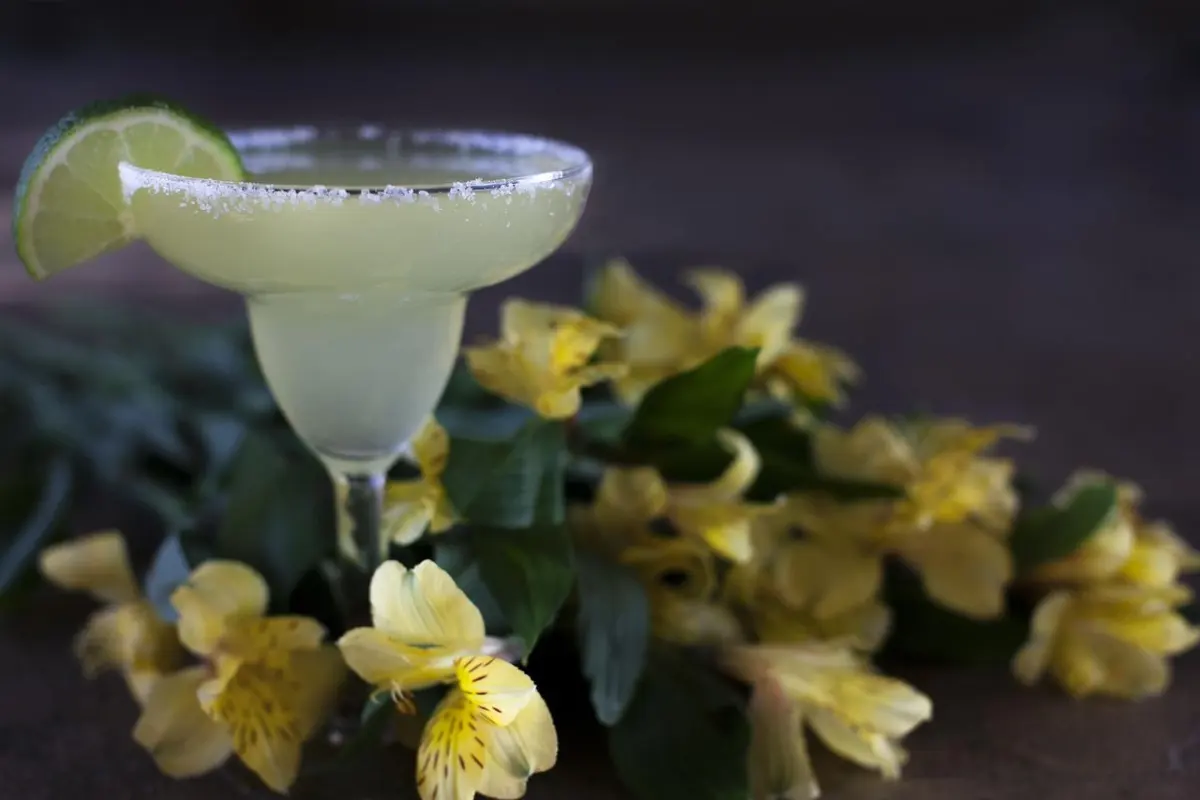
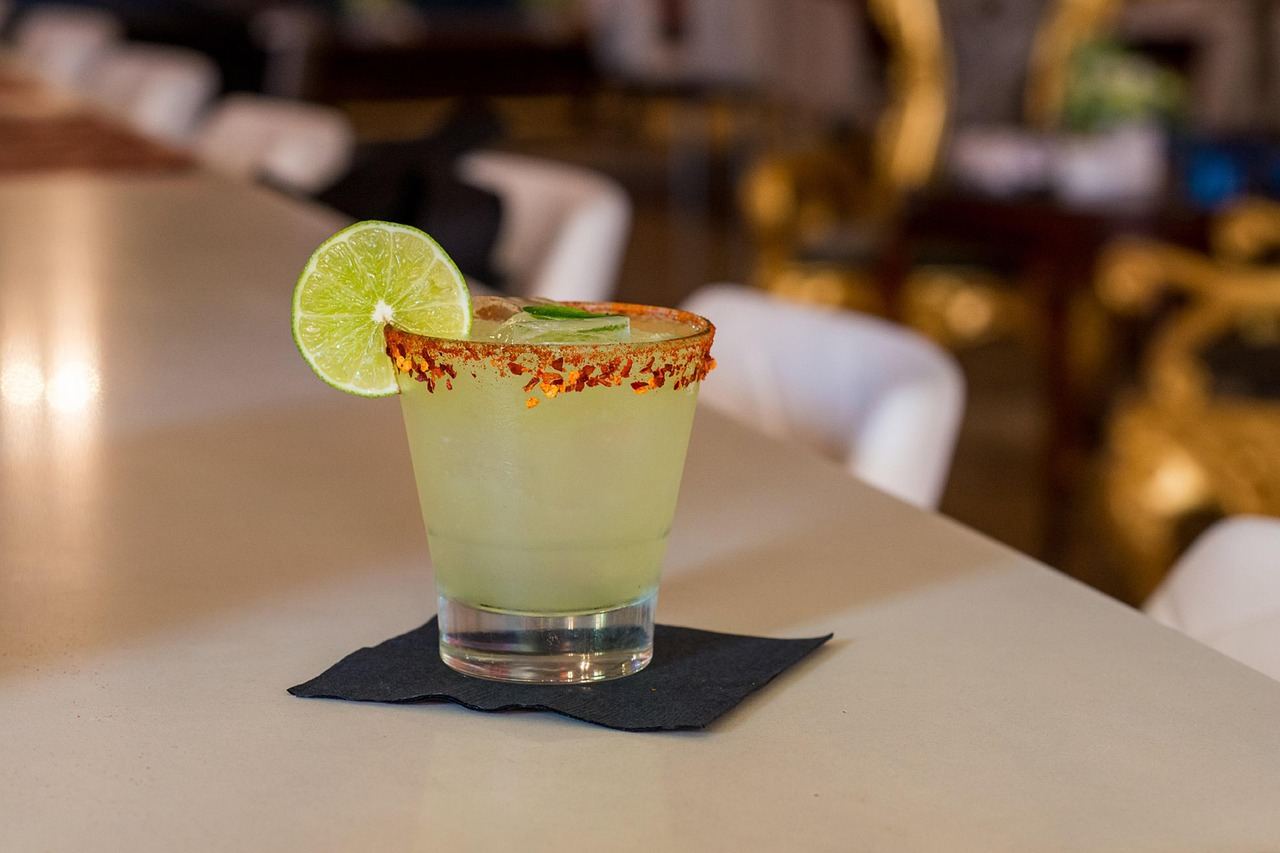
- Salt the rim (optional). Rub the rim of a cocktail glass with a lime wedge, then dip it in coarse salt.
- Measure. Add tequila, orange liqueur and lime juice to a shaker in the ratio you chose.
- Shake. Fill the shaker with ice and shake well.
- Strain. Pour into the salt-rimmed cocktail glass.
Salting is where most people go wrong. Wikibooks suggests coating only the outside of the rim, by rubbing the outside with the lime and rotating it through a dish of salt, so the salt does not fall into the drink (Wikibooks).
You can also salt half the rim, or leave a gap, so each guest picks a salted or unsalted sip. The page adds that glasses can be pre-salted ahead of time with little loss, which helps when you are hosting.
Shaking is preferred over stirring when you mix with fruit juices, and the tequila is strong enough that the ice shards of shaking are of little consequence. A cocktail glass is the most formal choice, but an old-fashioned glass suits a margarita served on the rocks.
Variations worth knowing
Once the classic is easy, try a variation. These are all described in the Wikibooks and Wikipedia texts.
- Frozen: blended with ice. The Wikipedia text says frozen margaritas were first served in La Jolla in 1947, and the dedicated machine was introduced in Dallas in 1971.
- Other liqueurs: Grand Marnier, Gran Gala or other triple secs can stand in, and blue curaçao yields the blue margarita.
- Fruit: mango, peach, strawberry, banana, melon, raspberry or avocado are suitable, and the orange liqueur is often reduced or eliminated when sweeter juices or purées go in.
- Paloma: the variant that uses grapefruit soda.
Sweet margaritas made with simple syrup or sour mix are looked down upon by traditionalists, according to Wikibooks, yet they are widely served at parties. Sugar can also mask the subtle details of the tequila and the liqueur.
If you want a stirred, spirit-forward drink for the same table, the old fashioned recipe is a good next step.
Where the margarita came from
The origin is disputed. The blog copy of the Wikipedia entry says cocktail historian David Wondrich relates it to the Daisy, remade with tequila instead of brandy, and margarita is Spanish for Daisy.
Several origin stories compete, as that same text lists:
- 1938: one of the earliest stories credits Carlos Herrera at his restaurant Rancho La Gloria.
- 1942: another claim places the first mix in Juárez, Chihuahua, by Francisco Morales.
- 1948: others say Dallas socialite Margarita Sames made it for guests at her Acapulco vacation home.
The first known publication of a margarita recipe was in the December 1953 issue of Esquire, which called for an ounce of tequila, a dash of triple sec and the juice of half a lime or lemon (blog copy of the Wikipedia entry). That is far less liqueur than most modern recipes use.
Frequently asked questions
What ratio makes the best classic margarita?
Show answer
Start with the traditional 3:2:1 of tequila, triple sec and lime juice, or try the IBA 7:4:3 if you want a little less liqueur, as the Wikibooks margarita page describes. Taste and adjust.
Can I use bottled lime juice or sour mix?
Show answer
You can, but Wikibooks says it yields a significantly sweeter drink due to added sugar and is considered deeply inferior to fresh lime juice. Squeeze limes if you can.
Do I have to salt the rim?
Show answer
No. The rim is often, but not always, salted, and Wikibooks notes salt may be omitted because it can interfere with the flavour of the tequila.
Should I shake or stir a margarita?
Show answer
Shake it over ice. Wikibooks says stirring is possible, but shaking is preferred when you mix with fruit juices.
Is a margarita a strong drink?
Show answer
Yes. Wikibooks describes margaritas as mostly alcohol and lists 2.5 standard drinks in its summary box (Wikibooks), so measure carefully and pour sensibly.