You’re hosting, and everyone deserves a glass worth holding. The best mocktail recipes start with a ratio: 3 parts alcohol-free base, 2 parts juice, 1 part sparkling water.
These drinks slot into a wider menu, and the cocktail party ideas guide shows how to plan the rest of the evening.
| Item | Value |
|---|---|
| Base to juice to diluent ratio | 3:2:1 |
| Alcohol-free base | 3 parts |
| Juice | 2 parts |
| Diluent (sparkling water or flavored soda) | 1 part |
| Flavor profiles your taste buds register (sweet, salty, sour, bitter, umami) | 5 profiles |
The figures come from Chowhound’s March 15, 2025 article and The Mixer’s guide, updated January 12, 2026. Advice can change, so check the sources before you rely on them.
The 3:2:1 formula behind reliable mocktail recipes
Good mocktails follow a shape rather than a fixed ingredient list. Host and author Jessie Sierra-Ross told Chowhound that a simple 3:2:1 ratio of alcohol substitute, juice and diluent is the easiest way to turn a cocktail into an alcohol-free version, as reported on March 15, 2025.
The hardest part of a cocktail to recreate is the alcohol itself, but that doesn’t mean it’s impossible. Sierra-Ross compares her process to baking a layer cake: the base is the cake, and the juices and sodas are the fillings and frostings.
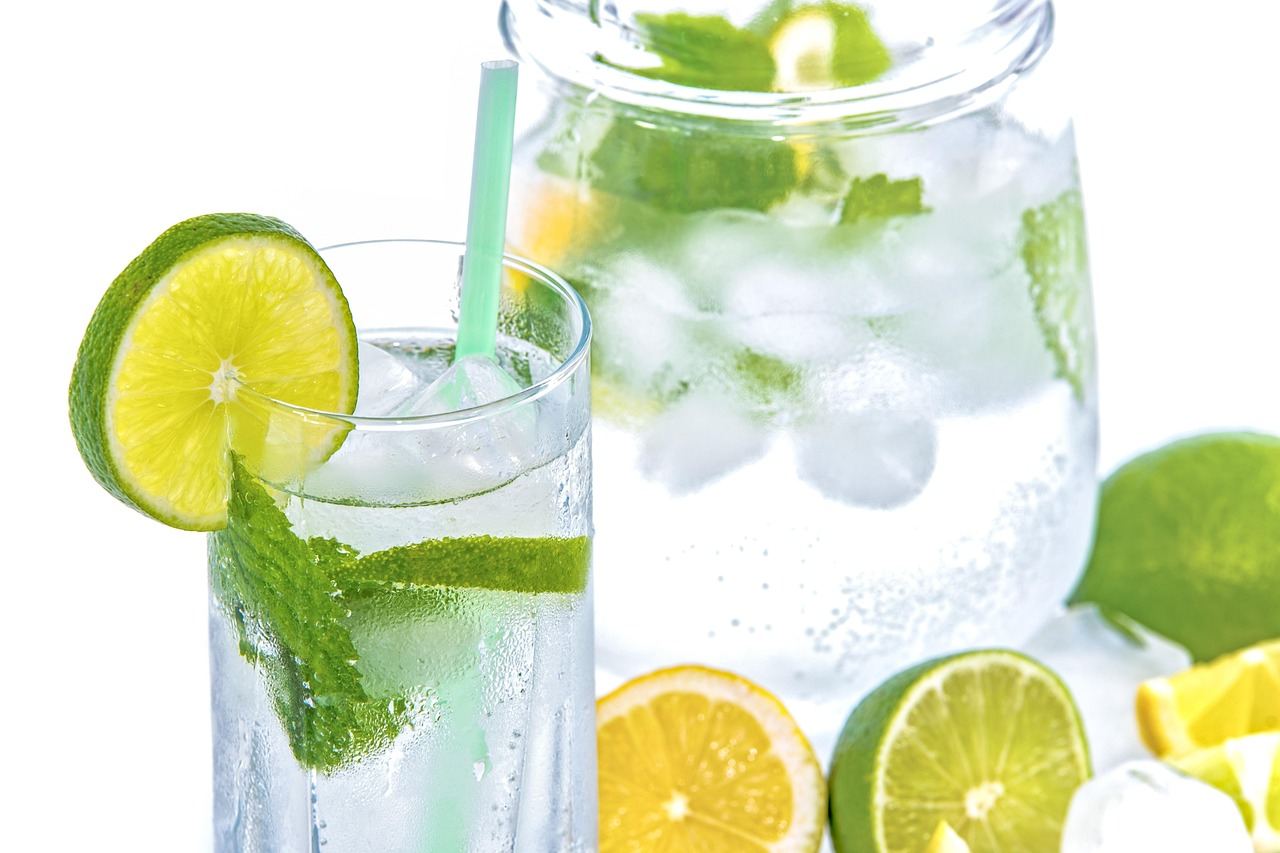
Here is the formula as a routine you can repeat with whatever is in your kitchen:
- Pour 3 parts of your base: a zero-proof alcohol alternative, chilled green tea, or a sparkling beverage.
- Add 2 parts juice that complements the base.
- Top with 1 part diluent, such as sparkling water or flavored soda.
- Taste, then nudge the sweet, sour and bitter notes until the glass feels balanced.
These starting points are built on the ratio. They are suggestions for you to adjust, not tested recipes from the sources:
- Green tea sparkler: 3 parts chilled green tea, 2 parts a juice you like, 1 part sparkling water.
- Grape and cranberry: 3 parts sparkling grape juice, 2 parts cranberry juice, 1 part club soda.
- Zero-proof spirit highball: 3 parts non-alcoholic spirit, 2 parts grapefruit juice, 1 part tonic or soda water.
How do you balance sweet, sour, bitter and fizz?
The Mixer notes that your taste buds register five flavor profiles: sweet, salty, sour, bitter and umami. An alcoholic spirit can supply several of those on its own, so a mocktail has to make up the difference. Its guide says a mocktail should have a good measure of sweet and sour, as well as texture.
Think of the glass as four jobs that need doing:
- Sweet: keep a simple syrup at hand, and flavor it with orange zest or rosemary if you like.
- Sour: fresh lemon, lime or grapefruit juice balances the sweetness, and cranberry juice is another option.
- Bitter: bitter is not the same as sour. A lemon is sour, while bitter shows up in coffee, olives and orange peel.
- Texture: bubbles from club soda, seltzer or tonic water, or muddled and blended fruit.
A sweet base needs extra care. Chowhound suggests blending in sour and bitter ingredients and perhaps diluting with a bit of club soda.
If you miss the edge of a bitter aperitif, you have two routes. A dash of cocktail bitters technically adds alcohol, but The Mixer says it is a fraction, about the same as vanilla extract in a cake. If you would rather avoid it, brew black tea for longer than usual to get a tannic, bitter liquid, then add a zest of orange.
Texture matters more than it sounds. The Mixer points to a Mojito, where muddling mint and sugar with lime zest gives the drink its classic feel.
What can you use instead of alcohol?
Once the spirit is gone, you need something to bring back the kick and body. These swaps come from The Mixer’s guide:
- Unsweetened club soda or seltzer: an easy swap that brings texture and a savory note.
- Ginger beer or lemonade: they give the fizz and the tang that mocktails need for balance. If they taste too sweet, add a squeeze of fresh lime juice and top up with soda water or sparkling water.
- Unsweetened teas and kombucha: they add acidity and depth, and some have fizz too.
- Non-alcoholic spirits: a product flavored with botanicals like gin, which you can mix as you would gin or vodka.
Read the label on any kombucha. The Mixer warns that some can have marginal alcohol content, so check before you buy.
Chowhound adds that non-alcoholic ginger beer, flavored seltzers and sparkling grape juice are popular bases with an herbal kick that complements sweet juices and syrups. That makes them a natural fit for the base slot in the ratio above.
Which cocktails are hard to turn into mocktails?
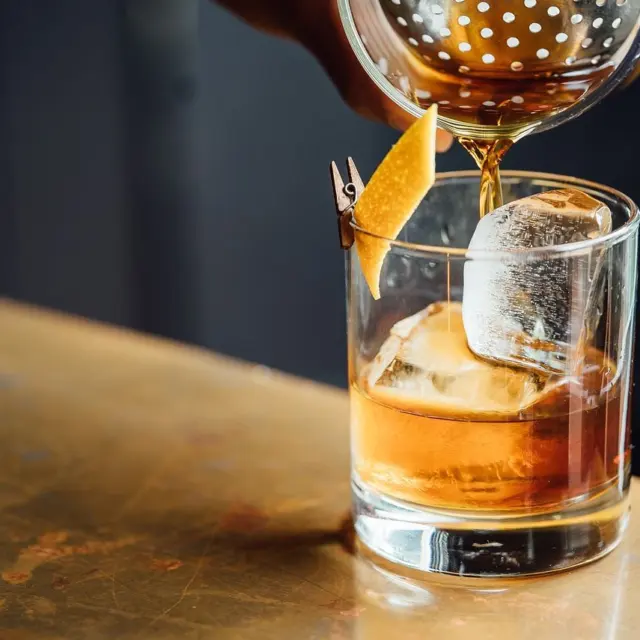
Some drinks are tricky to match like for like. The Mixer gives the example of an Old Fashioned, which is all whiskey with a dash of bitters, so the booze is the star of the show.
When you meet a drink like that, don’t chase an exact copy. Aim for the structure: sweet, sour, bitter and texture, with a non-alcoholic spirit or strong tea standing in for the base.
The Mixer lists a few classics that translate well: a Margarita mocktail, a virgin Martini, a virgin Strawberry Daiquiri and a virgin Mojito. It also suggests fruity gin cocktails, such as watermelon, mango and passionfruit, made with a non-alcoholic spirit in place of the gin. For a bubbly companion drink on the same table, see these spritz recipes.
Serving mocktails so nobody feels left out
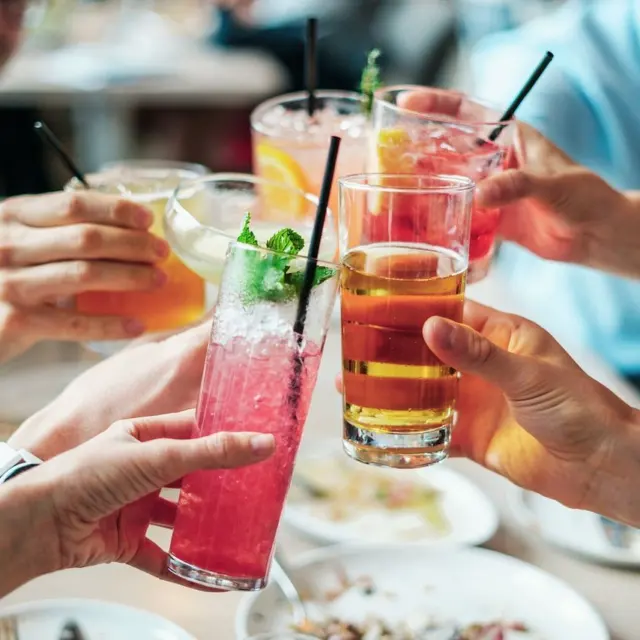
The Mixer’s guide says drinking a mocktail shouldn’t make you feel like a party pooper or an afterthought. Whether a guest is expecting, driving or simply not in the mood, their glass should have all the sparkle and magic of the main event.
A few habits help you get there:
- Use the same glassware you use for cocktails, so nobody’s drink looks like an afterthought.
- Pour the alcohol-free base ahead of time, then add the juice and the fizz as guests arrive.
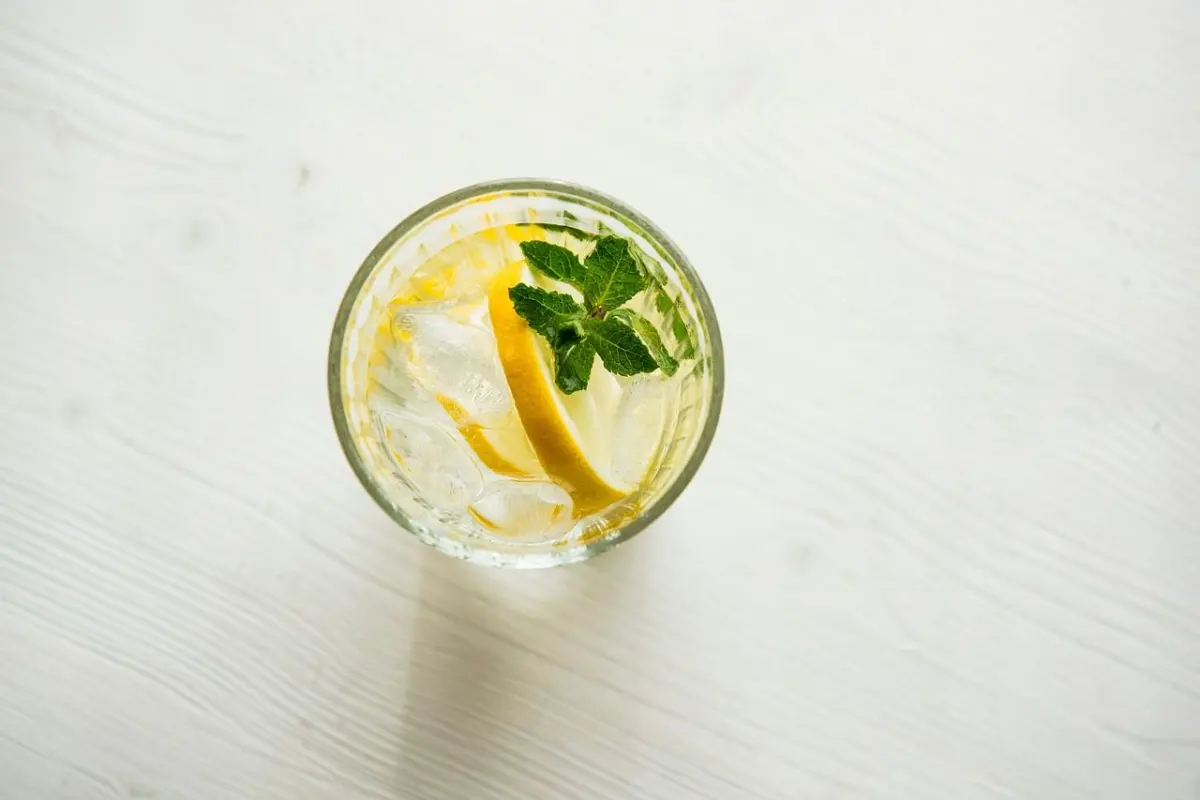
- Garnish with the same care, such as fresh mint or orange peel, since the garnish adds aroma.
- Let guests taste and adjust, because the ratio is a guide rather than a rule.
The formula is built on parts, so it scales without fuss. For a bigger gathering, the pitcher method in batch cocktails for a party is a good companion to keep in mind.
Frequently asked questions
What is the difference between a cocktail and a mocktail?
Show answer
According to The Mixer, cocktails include alcohol while mocktail recipes are alcohol-free.
What is the easiest ratio for a mocktail?
Show answer
Chowhound’s expert host recommends 3:2:1: 3 parts alcohol substitute, 2 parts juice and 1 part diluent, often sparkling water or flavored soda.
Do cocktail bitters make a mocktail alcoholic?
Show answer
Technically yes, though the amount is tiny: The Mixer compares a dash to the vanilla extract in a cake. For guests who avoid alcohol entirely, strong black tea with orange zest makes a bitter substitute.
Can I use kombucha in a mocktail?
Show answer
Yes, it adds depth of flavor, but The Mixer cautions that some kombuchas can have marginal alcohol content, so check the label before you buy.