Wine tasting for beginners comes down to slowing down and using your senses. If you’re nervous about looking foolish at a tasting room, relax: look, swirl, smell, sip, and decide whether you liked it.
This primer sits inside the wider guide to santa barbara wine country, so treat it as your warm-up before you plan any visits.
| Item | Value |
|---|---|
| Suggested glass bowl | An 8- to 10-ounce bowl that tapers in at the top |
| Core tasting steps | Three: sight, smell and sip |
| Typical tasting-room pour | Often one to three oz |
| Flight order | Lightest wines first, dessert wines last |
These figures come from The Press Democrat’s wine tasting guide and St. Helena’s wine tasting page for newcomers. They can change, so check the sources before you rely on them.
Start with the right glass and a small pour
A good tasting glass is clear and stemmed. The Press Democrat recommends a tapered glass with an 8- to 10-ounce bowl that narrows at the top, and it says that shape helps concentrate the aromatics.
At a tasting room, the pour is chosen for you. St. Helena’s visitor page says a flight is often one to three oz pours, which is enough to compare wines without overdoing it.
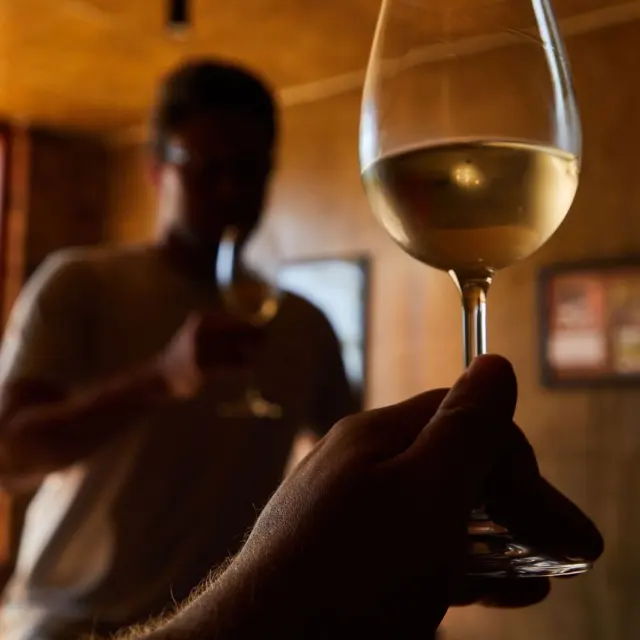
If you pour at home, keep the glass no more than half full. Wine For Dummies suggests tilting a glass filled that way against a white background, such as a tablecloth or a piece of paper.
The five steps: look, swirl, smell, sip, savor
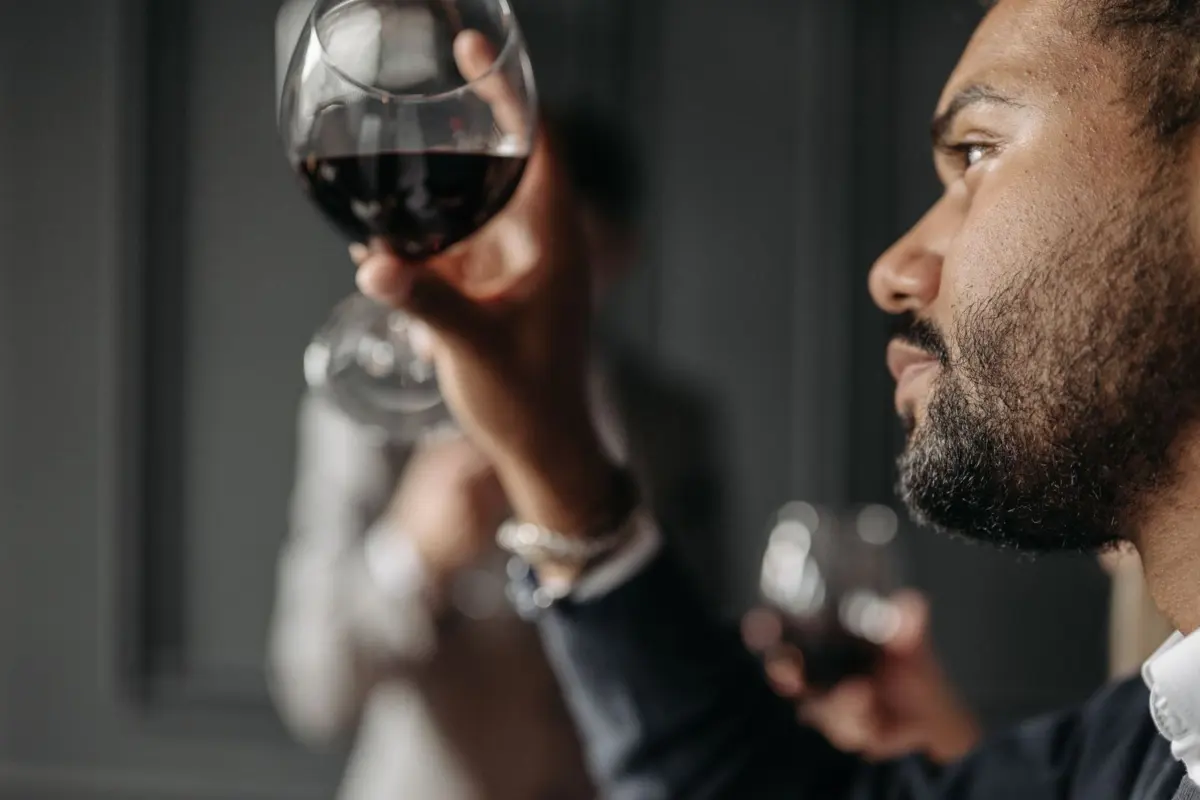
Umpqua Valley Winegrowers lay out a five-step method: look, swirl, smell, sip and savor. The Press Democrat boils it down to three steps: sight, smell and sip. Either way, the goal is to slow down and pay attention.
- Look. Tilt the glass away from you against something white. St. Helena’s guide says white wines generally gain color as they age, while red wines lose color.
- Swirl. If swirling in the air feels clumsy, keep the glass on the table. Wine For Dummies says to rotate it three or four times so the wine mixes with air.
- Smell. Put your nose into the glass and take a good sniff. Umpqua Valley Winegrowers say humans can smell over 1,000 different aromatic compounds in wine, so there is plenty to find.
- Sip. Take a sip that fills your mouth partway, not a gulp, as St. Helena’s guide puts it. Ask whether it feels light or full, smooth or sharp, sweet or dry.
- Savor. Pause and ask yourself whether you liked it and whether you would drink it again.
That last step matters most. The Umpqua guide calls it the heart of wine tasting: not memorizing notes, but learning your own taste.
One thing you can skip is the streaks that run down the glass after a swirl. Wine For Dummies advises you not to draw conclusions from those legs.
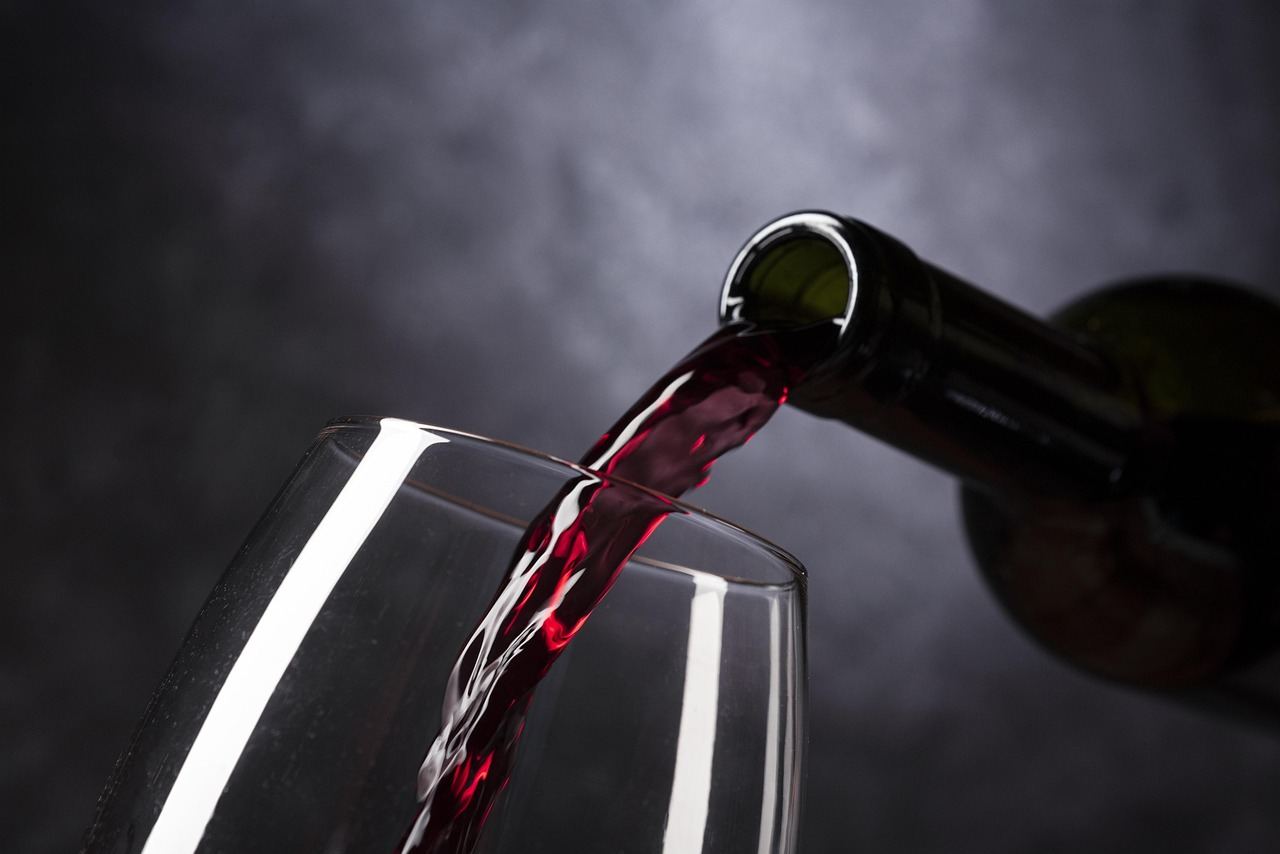
Words that help you describe what you taste
You don’t need a huge vocabulary, only a few words you can reuse. The Umpqua guide’s glossary covers the terms you will hear most often at a tasting room.
- Body: the weight or fullness of the wine in your mouth, from light to full.
- Tannin: naturally occurring compounds from grape skins, seeds and stems that give wine structure.
- Acidity: the crispness or freshness of a wine, and higher acidity makes it taste tart.
- Balance: when tannin, acid, alcohol, sweetness and the rest are harmoniously integrated.
- Finish: how long the flavor lingers after you swallow.
Those definitions come from the Umpqua Valley Winegrowers’ tasting guide. The same guide notes that a description listing “hints of strawberries” does not mean strawberries went into the wine.
Use personal terms you understand. The Press Democrat guide says it’s important to use personal terms that you understand and store them in your memory for next time.
Sometimes the nose tells you a bottle is off. Wine For Dummies says a seriously flawed wine often shows it immediately in the smell, and the fix is simple: open a different bottle.
How to pace a tasting-room flight
Tasting rooms usually order wines to protect your palate. St. Helena’s visitor page says a flight runs from lightest to heaviest: sparkling wines and rosés, then whites, then reds, then dessert wines.
You can help yourself along in a few ways:
- Sip water between wines, which the St. Helena page says helps preserve your palate.
- Spit if you are tasting a lot. The same page says this is not rude and a spit bucket is almost always nearby.
- Ask questions about where the grapes grew or what is in a blend, since the Umpqua guide says you shouldn’t be afraid to ask.
If you plan to eat after your last pour, browse solvang restaurants for somewhere to sit down. When you are ready to string several stops together, the santa barbara wine country itinerary is a sensible next read.
How do you practice at home?
The easiest drill is a home tasting. The Umpqua guide suggests buying a few different bottles, inviting friends and putting out snacks, with cheese as an easy pick, as Umpqua Valley Winegrowers describe it.
Choose bottles of the same grape from different makers. The same guide points out that a wine such as Pinot Noir can be made in different styles, so you can compare and contrast.
Your nose also improves between glasses. Wine For Dummies says smelling wine is a matter of practice and attention, so notice the smells in your everyday life too.
Frequently asked questions
Do I have to spit the wine?
Show answer
No. The Umpqua guide says you don’t have to spit unless you’re tasting a lot of wine, and St. Helena’s visitor page says spitting is not rude when you want to moderate. Sources: Umpqua Valley Winegrowers and St. Helena.
Is there a right or wrong answer when tasting?
Show answer
No. St. Helena’s page says there’s no right or wrong when it comes to wine tasting, and the Press Democrat says no two people taste wine the same.
What if I can’t smell much in the glass?
Show answer
Keep practicing. Wine For Dummies says smelling wine is a matter of practice and attention, and that a pause lets your nose recover before you try again.
What if I don’t like a wine?
Show answer
Pour it out. The Umpqua guide says that if you don’t like a wine, it’s okay to pour it out.